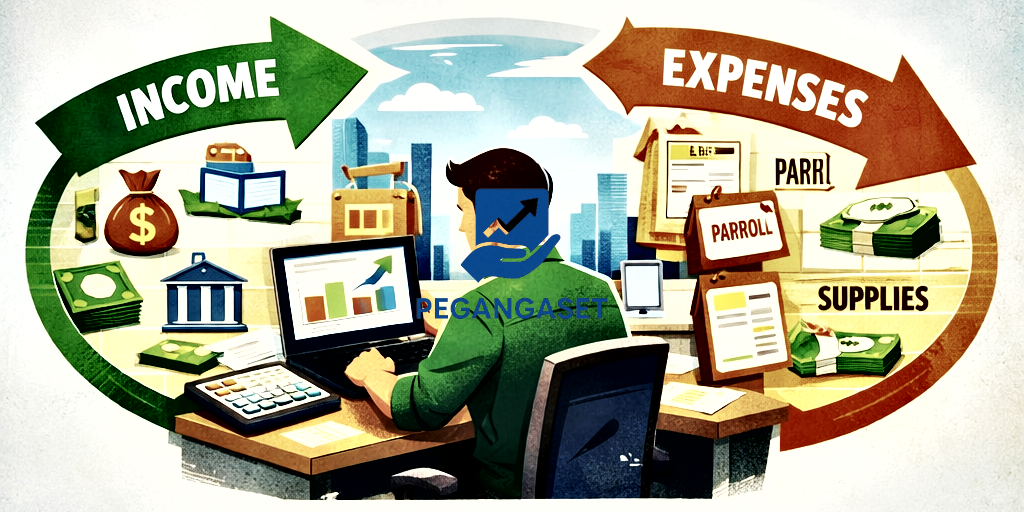
Cash flow management for small businesses is one of the most important factors in maintaining financial stability. Many small businesses fail not because they are unprofitable, but because they run out of cash.
Understanding how money moves in and out of your business allows you to make better decisions, pay expenses on time, and prepare for unexpected situations.
What Is Cash Flow?
Cash flow refers to the movement of money entering and leaving a business during a specific period. There are three main types of cash flow:
- Operating cash flow – money generated from core business activities
- Investing cash flow – money used for or earned from investments
- Financing cash flow – money from loans, investors, or repayments
- For small businesses, operating cash flow is the most critical.
___
Why Cash Flow Management Matters for Small Businesses
Effective cash flow management helps small businesses:
- Pay employees and suppliers on time
- Avoid unnecessary debt
- Plan for growth and expansion
- Survive slow sales periods
- Reduce financial stress
Without proper cash flow control, even a profitable business can struggle to operate.
___
Common Cash Flow Problems in Small Businesses
Some common is issues include:
- Late payments from customers
- High operating expenses
- Poor financial planning
- Overstocking inventory
- Irregular or seasonal income
Identifying these problems early helps prevent serious financial difficulties.
___
Practical Cash Flow Management Tips
1. Track Cash Flow Regularly
Monitor your cash flow weekly or monthly. Knowing exactly how much cash is available helps you avoid surprises.
2. Separate Business and Personal Finances
Always keep business money separate from personal funds to maintain clarity and accountability.
3. Control Operating Expenses
Review expenses regularly and eliminate unnecessary costs that reduce cash reserves.
4. Improve Payment Collection
Set clear payment terms, send invoices promptly, and follow up on overdue payments.
5. Maintain a Cash Reserve
A small emergency fund can help cover expenses during slow periods or unexpected events.
___
Using Simple Tools to Manage Cash Flow
You don’t need complex software to manage cash flow effectively. Many small businesses use:
- Simple spreadsheets
- Basic accounting software
- Monthly income and expense summaries
The key is consistency, not complexity.
___
Cash Flow Forecasting for Better Planning
Cash flow forecasting helps predict future income and expenses. This allows small business owners to:
- Prepare for low-income months
- Plan purchases wisely
- Avoid sudden cash shortages
Even a simple forecast can significantly improve financial control.
___
Final Thoughts
Cash flow management for small businesses is not about being perfect—it’s about being aware and proactive. By tracking cash flow, controlling expenses, and planning ahead, small business owners can build a more stable and sustainable business.
Strong cash flow management supports better decision-making and long-term growth.
Other articels>>
- Cara Mengelola Arus Kas UMKM Agar Tidak Bangkrut: Panduan Lengkap dengan Template dan Studi KasusMengapa Banyak UMKM Bangkrut Padahal Terlihat Ramai?Fenomena ini sering terjadi:Warung ramai, pesanan banyak, omzet terlihat tinggi. Namun tiba-tiba usaha berhenti beroperasi. Masalahnya bukan pada penjualan, melainkan pada arus kas.Dalam artikel sebelumnya tentang Basic Bookkeeping for Small Business Owners: A Simple Guide to Financial Records, kita membahas pentingnya pencatatan keuangan yang rapi. Namun pencatatan saja tidak… Lanjutkan membaca Cara Mengelola Arus Kas UMKM Agar Tidak Bangkrut: Panduan Lengkap dengan Template dan Studi Kasus
- Basic Bookkeeping for Small Business Owners: A Simple Guide to Financial RecordsLearn basic bookkeeping for small business owners, including income tracking, expense recording, and simple financial reports to avoid losses.
- Simple Daily Expense Tracking for Better Money ManagementLearn simple daily expense tracking methods to manage your money better, control spending, and build healthy financial habits.
- Personal Finance Basics for Beginners: A Simple Guide to Managing MoneyLearn personal finance basics for beginners, including budgeting, saving, managing expenses, and building healthy financial habits step by step.
Common Financial Mistakes Made by Small Business OwnersDiscover common financial mistakes made by small business owners and learn practical ways to improve budgeting, cash flow, and financial planning.
1 komentar